Holešovice: a finished neighbourhood on the edge of Prague's largest transformation
Holešovice is among the fastest-growing locations in Prague's wider centre. Its industrial genius loci, galleries, cafés and the HolKa footbridge to Karlín have made it an address sought out by high-earning professionals and creatives. What sets MUSE7 apart from an ordinary Holešovice project, though, is the Holešovice Bubny–Zátory II territorial study — the document that will define what surrounds the project for the next fifteen years.
The Bubny–Zátory II study: what it actually delivers
The draft was published by Prague City Hall's Department of Territorial Development on 4 June 2026; the authors are Pelčák and Partner Architects together with Berlin-based Thomas Müller Ivan Reimann Architekten, in cooperation with IPR Prague. It refines the 2020 study and marks a decisive step toward detailed spatial regulation of the area. For an investor, several points matter:
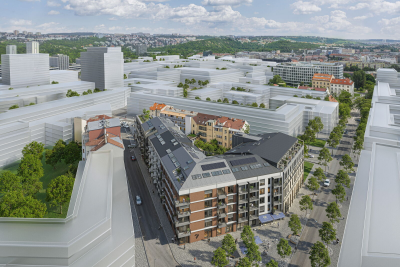
- Scale. Across 110 hectares of railway land around the former Praha-Bubny station, a new district is to emerge for 22,500 residents in some 10,000 apartments — the largest transformation area in the city's structure, in relative proximity to the historic centre.
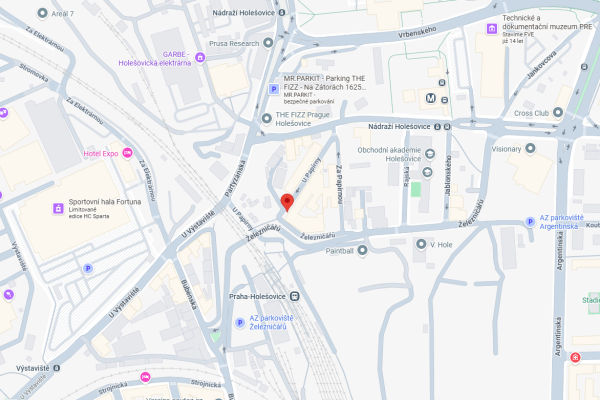
- Two new local centres — one right at MUSE7. The study proposes new local centres at the Line C metro stations Nádraží Holešovice and Vltavská. MUSE7 sits at the first of them: over the coming years, an edge-of-station position becomes one of the two focal points of the new district.
- A central park. The core of the area is a large park separating housing from the railway, linked by tree lines to the Výstaviště exhibition grounds and Stromovka. Double tree lines are proposed in the newly created streets wherever possible.
- Amenities. Compared with the 2020 version, the study strengthens civic capacity — kindergartens, newly also secondary schools, jobs, and a more rigorous treatment of pedestrian and cycling movement.
- Vltava Philharmonic Hall. The urban design of the second new centre is tightly interwoven with the Vltava Philharmonic project by Bjarke Ingels Group. The nine-storey building, estimated at CZK 12 billion, is due to break ground in 2027.
- From plan to delivery. The study will underpin the planning agreements with private investors — according to Deputy Mayor Petr Hlaváček, the final step to opening up construction across the whole area. Full completion of the transformation is expected around 2040.
Why MUSE7 makes sense for investors
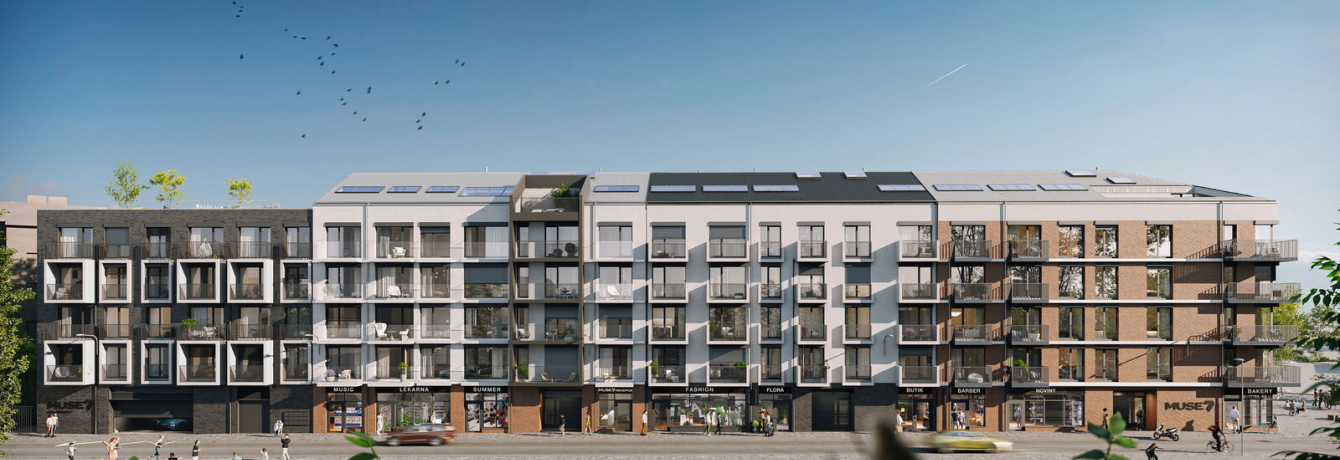
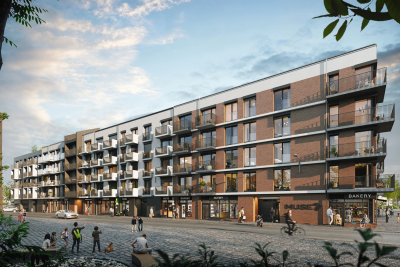
- You buy finished housing at the edge of the site, not in the middle of it. MUSE7 stands in an established, inhabited part of Holešovice with working amenities. Tenants move into a functioning neighbourhood — while you retain exposure to the appreciation the Bubny transformation will bring.
- Documented growth. Based on historical data from Valuo.cz, over the past five years Holešovice has seen rental growth of 10% per year and property price growth of 10% per year.
- Limited premium supply. The area is short of new, high-quality construction — every new project in the wider centre runs into brownfield constraints and lengthy permitting.
- High-quality tenants. Karlín across the HolKa footbridge, Metro Line C and a dense tram network draw well-paid professionals and creatives — tenants with lower payment risk and longer tenancies.
- A specification that sustains rent. Reception, private fitness with a wellness zone, triple glazing, external blinds, underfloor heating and heat-recovery ventilation. Low running costs are now as persuasive to a tenant as the floor plan.
- A broad layout mix. From studios to lofts with terraces — one address covers students, couples and families alike, which eases re-letting and a gradual unit-by-unit exit.
Accessibility
- Metro Line C (Nádraží Holešovice) and Praha-Holešovice railway station immediately adjacent
- Prague's historic centre minutes away by metro; dense tram network
- Karlín via the HolKa footbridge; Stromovka park and Výstaviště within walking distance
- Connection to the City Ring Road and the north–south arterial
Investor takeaway
MUSE7 combines what usually pulls in opposite directions in Prague projects: immediate lettability in a finished neighbourhood, and long-term growth potential flowing from a territorial study that plans a district for 22,500 people right next door. The investor is not buying a bet on a future location, but a working rental apartment whose value over the next fifteen years is set to be carried by the largest development project in Prague.